What Is a PRP Injection? A Regenerative Medicine Perspective
If you have ever searched for ways to heal a nagging injury, restore thinning hair, or rejuvenate your skin without surgery, you have likely come across the term PRP injection. It sounds scientific perhaps even a little futuristic but the concept is actually quite simple. It’s about using your body’s own resources to heal itself.
In the evolving world of healthcare, we believe the future isn’t just about prescriptions or invasive surgeries; it’s about unlocking the regenerative potential already inside you. And for many, the most comfortable way to experience this is by having advanced therapies brought directly to their doorstep through mobile regenerative medicine services.
But what exactly is a PRP injection, and how does it work? Let’s break down the science, the benefits, and why this therapy is becoming a cornerstone of modern wellness.
Understanding PRP (Platelet-Rich Plasma)
To understand how a PRP injection works, we first have to look at your blood. Your blood is made up of four main components: red blood cells, white blood cells, plasma, and platelets.
You probably know platelets best for their ability to clot blood when you get a cut. However, they have a secret superpower: they are packed with growth factors. These are proteins that act as signal flares for your body’s repair system.
When you are injured, platelets rush to the scene to stop the bleeding and release these growth factors to tell your body, “Hey, we have damage here! Send in the repair crew!”
Platelet-Rich Plasma (PRP) is simply a concentration of these powerful platelets suspended in a small amount of your own plasma. By isolating and concentrating them, we create a potent “healing cocktail” that is far stronger than what your body naturally sends to an injury site.
How PRP Injections Work in Regenerative Medicine
The process of a PRP injection is straightforward but biologically powerful. It essentially “hacks” your body’s healing response to work faster and more efficiently.
Here is the step-by-step mechanism:
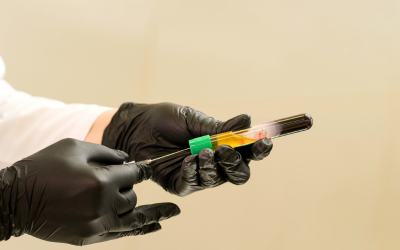
- The Draw: We start by drawing a small amount of your blood (similar to a standard lab test) from your arm.
- The Spin: That blood is placed in a centrifuge, a machine that spins it at high speeds. This spinning process separates the red blood cells from the plasma and platelets.
- The Concentration: We extract the layer of plasma that is richest in platelets. This golden liquid contains 5 to 10 times the concentration of growth factors found in normal blood.
- The Injection: This concentrated PRP is then injected directly into the target area whether that’s an arthritic knee, a thinning scalp, or a damaged tendon.
Once injected, the platelets release their growth factors, which trigger a cascade of biological events:
- Stimulation of Stem Cells: They signal local cells to start repairing damaged tissue.
- Reduced Inflammation: They help modulate the inflammatory response, which can lower pain levels.
- New Blood Vessel Growth: They promote vascularization, improving blood flow to the area (which is critical for healing).
Common Uses of PRP Injections
While PRP injection therapy is versatile, it is most commonly used in three primary areas of regenerative wellness.
Musculoskeletal Pain & Joint Injections
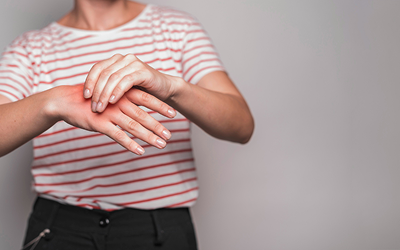
Chronic pain can be debilitating. Whether it’s an old sports injury or the wear-and-tear of osteoarthritis, joint pain often stems from tissue that just won’t heal on its own. Cartilage and tendons have poor blood supply, which makes natural healing very slow.
PRP therapy for joint pain bridges this gap. By delivering a high concentration of growth factors directly into the joint or tendon, providers can help:
- Soothe Osteoarthritis: Common in knees and shoulders, PRP can reduce the friction and inflammation inside the joint.
- Heal Soft-Tissue Injuries: It is excellent for partial tendon tears, tennis elbow, and plantar fasciitis.
- Address Neuropathy: Emerging research suggests PRP can aid in nerve repair. When injected around damaged nerves (perineural injection), the growth factors may help repair the myelin sheath and reduce the burning or numbness associated with PRP for neuropathy.
Regenerative Hair Restoration
Hair loss is often a result of hair follicles shrinking and going dormant due to a lack of blood flow and nutrients. PRP hair restoration effectively wakes them up.
When injected into the scalp, the growth factors in PRP stimulate the hair follicles to move from a resting phase to an active growth phase. Many advanced regenerative providers often take this a step further by combining PRP with Umbilical Cord Mesenchymal Stem Cells (UC-MSCs) or Exosomes.
- The Synergy: While PRP provides the “fuel” (growth factors), Exosomes and PRP work together, with exosomes acting as “architects” that provide even more potent signaling molecules to rebuild tissue. This combination can lead to thicker, denser hair regrowth than PRP alone, especially for those with thinning hair who want to avoid hair transplant surgery.
Skin Rejuvenation / Aesthetic Use
You may have heard of the “Vampire Facial.” This is essentially a PRP injection therapy for your skin. The growth factors stimulate collagen and elastin production, which are the building blocks of youthful skin. PRP skin rejuvenation can improve skin texture, reduce fine lines, and even diminish the appearance of acne scars.
Benefits of PRP Therapy & Mobile Care
Why are so many people turning to PRP? The benefits go beyond just healing.
- It’s Natural: Since it uses your own blood, there is zero risk of allergic reaction or rejection. You are healing your body with your body.
- Minimal Downtime: Unlike surgery, which requires weeks of recovery, a PRP injection allows you to return to most daily activities almost immediately.
- Convenience of In-Home Care: One of the biggest shifts in modern wellness is the move toward PRP injection in-home services. Driving to a clinic, sitting in a waiting room, and dealing with traffic can add stress and stress hinders healing. Mobile services bring the nurse and the treatment to your living room. You get clinical-grade care in the comfort of your favorite armchair.
What to Expect During the PRP Procedure
If you book an in-home PRP injection, here is exactly what the appointment looks like:
- Arrival: A licensed medical provider arrives at your home with all necessary equipment and sets up a small, sterile area.
- Blood Draw: They will draw about 30-60ml of blood (depending on the treatment area).
- Processing: While you relax, check emails, or watch TV, the provider processes your blood in a portable centrifuge. This takes about 15–20 minutes.
- Numbing: For scalp or sensitive joint injections, a local anesthetic or numbing cream is applied to ensure your comfort.
- The Injection: The provider administers the PRP injection using precise techniques. The actual injection part takes only a few minutes.
- Aftercare: You receive simple aftercare instructions, and then the provider packs up and leaves you to rest in your own home. No driving home with a numb knee or sore scalp!
Who Is a Good Candidate for PRP?
Most people looking for natural healing are great candidates, but it works best for:
- Active Individuals: People who want to avoid the long downtime of surgery for sports injuries.
- Early-Stage Arthritis Patients: Those with mild to moderate osteoarthritis often see better results than those with bone-on-bone friction.
- Hair Loss Sufferers: Men and women in the early stages of thinning hair (rather than complete baldness) tend to respond best.
- Those Seeking Alternatives: If you want to avoid steroid injections, which can weaken tissue over time, platelet-rich plasma therapy is a regenerative alternative that strengthens tissue.
Note: A medical assessment is always required to ensure this is the right path for you.
Risks, Side Effects & Safety
Because a PRP injection is an “autologous” treatment (meaning it comes from you), the safety of PRP injections is very high. However, as with any injection, there are things to be aware of.
Common Side Effects:
- Mild Pain or Soreness: You are injecting fluid into a space, which can cause temporary pressure or soreness for 2–3 days.
- Swelling/Bruising: Minor swelling at the injection site is normal and actually a sign that the inflammatory healing response has started.
Contraindications (Who should NOT get PRP):
- Active Infection: If you have a fever or an infection near the injection site.
- Low Platelet Count: Conditions like thrombocytopenia mean your blood may not have enough platelets to be effective.
- Blood Cancers: Patients with active leukemia or lymphoma are generally not candidates.
- Heavy Smokers: Smoking significantly reduces the quality of your healing factors, making the treatment less effective.
How Long Do PRP Results Last & How Many Sessions Are Needed?
PRP in regenerative medicine is a marathon, not a sprint. Because we are stimulating biological growth, results take time to manifest.
- Timeline: You typically won’t feel immediate relief like you would with a cortisone shot. Improvement usually begins around 3–4 weeks after the injection as the tissue repairs itself.
- Number of Sessions:
- Joints: often require 1–3 sessions spaced 4–6 weeks apart.
- Hair: usually requires a series of 3–4 monthly sessions, followed by maintenance every 6–12 months.
- Longevity: Results can last anywhere from 12 months to several years, depending on your body’s response and lifestyle.
PRP Cost & Pricing Considerations
When researching PRP treatment cost, you will find a wide range of prices. In the United States, costs generally fall into these ranges:
- Hair Restoration: $500 – $2,500 per session.
- Joint/Musculoskeletal: $500 – $2,000 per injection.
Why the variation? It depends on the location, the equipment used (specialized kits yield higher platelet concentrations), and the provider’s expertise.
The Mobile Advantage: Pricing for mobile services often reflects the premium nature of concierge, in-home care. While traditional clinics have high facility overheads, mobile providers invest in logistics and personalized attention. When you factor in the time saved no travel time, no waiting rooms, no time off work mobile services offer exceptional value for the personalized, high-touch experience received.
Why Choose Mobile Regenerative Medicine?
There are plenty of clinics where you can get a PRP injection. However, choosing a mobile provider offers a distinct experience.
- We Come to You: Pioneers in mobile regenerative medicine believe healing happens best in a stress-free environment your home.
- Advanced Combinations: Specialized providers often focus on combining PRP with umbilical cord MSC + PRP therapies for a potent “supercharged” regenerative effect that many standard clinics cannot offer.
- Patient-Centric Care: You are not just a chart number. Mobile providers spend quality time with you, understanding your goals, whether that’s running a marathon or just playing with your grandkids without knee pain.
Common FAQs About PRP
Q: Is a PRP injection painful?
A: There is some discomfort, similar to a blood draw or a standard shot. For sensitive areas like the scalp, numbing agents are used to make it very tolerable.
Q: Can I drive after the procedure?
A: Yes. Since general anesthesia is not used, you are fully alert. However, if you use a mobile service, you don’t even have to worry about driving!
Q: How is this different from stem cell therapy?
A: PRP uses signaling proteins from your blood to instruct your body to heal. Stem cell therapy introduces new cells that can differentiate and assist in repair. They are often used together for maximum effect.
Final Thoughts
The human body is designed to heal, but sometimes it needs a nudge. A PRP injection is that nudge a concentrated dose of your body’s own healing power, delivered exactly where it’s needed most.
Whether you are looking to restore your hair, relieve joint pain, or explore the benefits of advanced therapies, a specialized provider can guide you. It is possible to strip away the sterile, cold clinical experience and replace it with warmth, convenience, and cutting-edge science, right in your living room.