Hair loss is a thief. It steals more than just the strands on your head; it often takes a piece of your confidence, your youth, and your self-image with it. For generations, the only way to “catch the thief” was through invasive surgery painful strips cut from the scalp, long recoveries, and results that didn’t always look natural.
But the script has flipped. We have entered a new era of aesthetic medicine where going under the knife is no longer the only option and for many, it is no longer the best option.
Non surgical hair restoration has emerged as a powerhouse solution, leveraging the body’s own biological machinery to reverse thinning and stimulate growth. If you have been hesitant to address your hair loss because you dread the idea of surgery, you are in the right place. This guide explores the revolutionary world of non surgical hair restoration, how regenerative medicine is changing the game, and why you might just be able to get your hair back from the comfort of your own home.
Understanding the Shift Away from Transplants
Traditionally, hair transplants were the gold standard. They worked, but they came at a cost. The downtime was significant, the procedure was invasive, and for many, the results looked somewhat artificial.
This approach isn’t about moving hair from one place to another; it is about waking up the hair follicles you already have. It is about revitalization rather than relocation.
The rise of non surgical hair restoration is driven by a desire for natural results without the interruption to daily life. We live in a fast-paced world. Who has time to hide away for weeks while a scalp heals? Patients today want effective solutions that fit into a busy schedule solutions that heal from the inside out.
What Exactly is Non Surgical Hair Restoration?
At its core, non surgical hair restoration refers to a category of treatments designed to combat hair loss, thinning, and shedding without incisions, stitches, or general anesthesia. Instead of mechanically altering the scalp, these therapies focus on the biological environment of the hair follicle.
Think of your scalp like a garden. If the soil is nutrient-poor and the roots are weak, planting new trees (surgery) might work for a bit, but the underlying environment is still compromised. Non surgical hair restoration treats the “soil.” It enriches the scalp, improves blood flow, and signals dormant follicles to enter the growth phase.
This broad category includes various treatments, but the most exciting advancements are happening in the field of regenerative medicine. By harnessing powerful biological elements, we can now trigger healing responses that were previously thought impossible.
The Power of Regenerative Medicine in Hair Growth
You might have heard the buzzwords, but how does regenerative medicine actually apply to your hairline? The science revolves around the body’s innate ability to heal itself. When you get a cut, your body rushes “repair crews” to the site to regenerate tissue. Non surgical hair restoration hacks this system, directing those repair crews to your hair follicles.
Stem Cells: The Master Builders
One of the most potent tools in the non surgical hair restoration arsenal is cellular therapy. Stem cells are the body’s master cells they have the unique ability to transform into different types of tissue and, crucially, to instruct other cells to repair and regenerate.
In the context of hair, these potent cells can rejuvenate shrinking hair follicles. Hair thinning often occurs because the follicle miniaturizes; it gets smaller and produces thinner, wispier hair until it stops producing hair altogether. Therapies utilizing Umbilical Cord Mesenchymal Stem Cells (UC-MSCs) are particularly effective because they are “young” cells, packed with vibrant growth factors and anti-inflammatory properties that older cells simply don’t have.
When applied to the scalp, these cells don’t just sit there; they go to work. They reduce the inflammation that often kills hair follicles (especially in autoimmune-related hair loss) and kickstart the regeneration process. This is the cutting edge of non surgical hair restoration.
Exosomes: The Messengers of Growth
Close cousins to cellular therapy are exosomes. Think of exosomes as the text messages sent between cells. They carry the instructions for healing. In hair restoration, exosome therapy involves delivering these concentrated packets of growth factors directly to the scalp.
They tell the sleeping hair follicles, “Wake up, it’s time to grow.” This treatment is gaining massive popularity because it delivers a high concentration of signaling proteins without requiring the complexity of some other procedures. It is a pure, targeted boost to your scalp’s health.
Why Choose Non Surgical Hair Restoration?
The decision to treat hair loss is personal, but the arguments for choosing a non surgical hair restoration route are compelling.
1. Zero Downtime This is the biggest selling point. With surgical transplants, you are looking at days of bandages and weeks of careful recovery. With non-surgical options, you can often go right back to your daily routine the same day. For professionals and parents, this convenience is non-negotiable.
2. Natural-Looking Results Because you are stimulating your own natural hair growth, the results tend to look incredibly organic. There is no sudden, jarring change in your hairline. Instead, over weeks and months, your hair becomes thicker, fuller, and healthier. The “plugs” look is a thing of the past.
3. Safety and Comfort Surgery carries risks infection, scarring, and reaction to anesthesia. Non surgical hair restoration minimizes these risks significantly. When using high-quality regenerative products administered by professionals, the safety profile is excellent.
4. Holistic Health Benefits Many non-surgical treatments, especially those rooted in regenerative medicine, improve the overall health of the scalp. They increase circulation and reduce inflammation. A healthy scalp doesn’t just grow more hair; it sustains that hair for the long term.
The “In-Home” Revolution: Mobile Medical Services
One of the most significant barriers to getting treatment is the hassle of clinical visits. Driving to a clinic, sitting in a waiting room, and taking time off work can be deterrents. However, the landscape of non surgical hair restoration is evolving to meet patients where they are literally.
Imagine receiving top-tier regenerative therapy in your living room. Mobile medical services are transforming how we approach elective treatments. By bringing the clinic to you, providers can offer a level of privacy and comfort that a sterile office simply cannot match.
For hair restoration, this is ideal. You are in your own space, relaxed, and comfortable. Once the treatment is done, you are already home. This model of in-home regenerative medicine is particularly beneficial for those who value discretion. You don’t have to worry about running into someone you know at a clinic; your journey to hair restoration remains completely private.
Finding New Hope Through Regeneration
For many patients, the journey to hair restoration feels like a series of dead ends. Pills that ruin your libido, shampoos that do nothing, and surgeries that cost a fortune. It is easy to feel defeated.
However, the modern approach offers a different perspective a new hope regeneration of the scalp’s potential. Rather than fighting against your body or trying to trick it, these therapies work with your biology. It represents a shift in philosophy: we aren’t just covering a bald spot; we are healing the tissue that supports the hair. This shift in mindset is what makes non-surgical options so appealing to the modern, health-conscious individual.
Is Non Surgical Hair Restoration Right for You?
While non surgical hair restoration is powerful, it is not magic. It works best for candidates who are in the early to moderate stages of hair loss.
Ideal Candidates Include:
- Men and women with thinning hair: If you can still see hair, but it is less dense than it used to be, you are likely a great candidate.
- Those with Androgenic Alopecia: Common male or female pattern baldness often responds well to regenerative stimulation.
- People seeking preventative care: You don’t have to wait until you are bald to start. Many people use these therapies to maintain their current density.
- Individuals who cannot undergo surgery: Whether due to medical conditions or personal preference, if surgery is off the table, non surgical hair restoration is the viable alternative.
However, if a specific area of the scalp is completely smooth and has been for years (meaning the follicles are dead, not just dormant), non-surgical methods may have limitations. This is why a consultation is vital. A medical provider can assess the health of your follicles and set realistic expectations.
The Procedure: What to Expect
If you decide to move forward with non surgical hair restoration, the process is surprisingly simple, especially compared to the surgical alternatives.
The Consultation It starts with a conversation. Your provider will look at your medical history, assess your hair loss pattern, and discuss your goals. This is the time to ask about specific regenerative options and verify if you are a candidate.
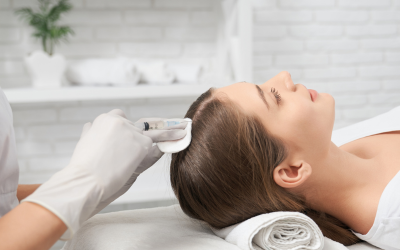
The Treatment On the day of the procedure whether in a clinic or via a mobile service visit the area will be prepped. If you are receiving regenerative injections, the provider will gently administer the product into the thinning areas of the scalp. The process is relatively quick. Most sessions take less than an hour.
Post-Treatment Care Recovery is minimal. You might experience some mild tenderness or redness at the injection sites, but this usually subsides quickly. You will be given simple instructions, like avoiding harsh shampoos for a day or two or staying out of direct intense sunlight.
A Head-to-Head Comparison: Surgery vs. Non-Surgery
When weighing your options, it is helpful to look at the distinct differences between traditional hair transplants and modern regenerative techniques. While both aim to increase hair coverage, the experience for the patient is vastly different.
Invasiveness and Trauma Surgical transplants are inherently invasive. They involve either cutting a strip of skin from the back of the head (FUT) or punching out individual follicles (FUE). This creates wounds that must heal. In contrast, non surgical hair restoration involves only micro-injections or topical applications. The scalp remains intact, meaning there is no surgical trauma to the body.
Recovery Time This is often the deciding factor for busy individuals. Surgery requires a dedicated recovery period often weeks where physical activity is restricted, and the scalp looks visibly wounded (scabs and redness). With non surgical hair restoration, the recovery is immediate. You can typically return to work, exercise, and social engagements the same day or the next, making it a “lunch break” style procedure.
Scarring Risks One of the biggest downsides of surgery is scarring. Even the best transplants leave tiny white dots or linear scars in the donor area. If you like to wear your hair short, these scars can be visible. Non surgical hair restoration leaves zero scars. Because no skin is removed, you preserve the pristine condition of your scalp.
Pain Management Post-surgical pain can be significant, often requiring prescription painkillers during the healing phase. Non-surgical methods are generally low-pain. A simple local anesthetic makes the injections comfortable, and any post-procedure tenderness is usually managed easily with over-the-counter options or simply ignored.
The Look of the Results Transplants relocate hair. If not done perfectly, the hairline can look abrupt or “pluggy.” Non surgical hair restoration focuses on thickening existing hair and reviving dormant follicles in their natural location. This results in a gradual increase in density that looks completely authentic because it is your natural hair growing back.
The Role of Lifestyle in Hair Health
While non surgical hair restoration treatments are effective, they work best when supported by a healthy lifestyle. Your hair is a reflection of your internal health.
Nutrition Matters Hair needs fuel. A diet rich in proteins, vitamins (like Biotin and Vitamin D), and minerals (Iron and Zinc) provides the building blocks for new growth.
Stress Management High cortisol levels (the stress hormone) can push hair follicles into a resting phase, leading to shedding. Combining your non surgical hair restoration treatments with stress-reducing activities like yoga or meditation can amplify your results.
Gut Health Surprisingly, your gut health plays a role in hair growth. Inflammation in the gut can lead to systemic inflammation, which affects the hair follicles. Many regenerative approaches take a holistic view, considering factors like metabolic health and gut microbiome balance as part of the long-term strategy for hair preservation.
Regional Excellence: Accessing Top-Tier Care
When looking for advanced medical treatments, geography can play a role. Interestingly, the Mountain West has become a hub for wellness and longevity medicine. For those seeking stem cell therapy Utah has developed a reputation for hosting some of the most forward-thinking practitioners in the field.
The combination of a health-focused population and a regulatory environment that supports innovation means that patients in this region often have access to cutting-edge non surgical hair restoration protocols before they become mainstream elsewhere. This local expertise is invaluable for ensuring safe and effective treatment outcomes.
Expected Results and Timeline
Patience is a virtue in the world of hair growth. Unlike a haircut where the result is instant, non surgical hair restoration relies on biological cycles.
- Months 1-3: You may not see visible growth yet, but the shedding should decrease. The follicles are healing and preparing to grow.
- Months 3-6: This is often when the “baby hairs” appear. Thin, fine hairs start to sprout in previously thinning areas.
- Months 6-12: The hair shaft thickens, and density improves. The overall texture of the hair feels healthier and stronger.
Because these treatments rely on your body’s cycles, the results are cumulative. Many patients choose to have maintenance sessions to keep the follicles stimulated and healthy over the years.
Safety and Ethics in Regenerative Hair Therapy
When exploring non surgical hair restoration, especially involving stem cells, safety is paramount. It is crucial to choose a provider who operates with high ethical standards and uses reputable sources for their cellular products.
Treatments involving UC-MSCs (Umbilical Cord Mesenchymal Stem Cells) should be sourced from ethically donated tissues from healthy, full-term births. These products undergo rigorous screening to ensure safety and potency. By selecting a provider that emphasizes safety and quality standards, you ensure that you are receiving a therapy that is not only effective but also safe.
Frequently Asked Questions
Does non surgical hair restoration hurt?
Most patients report minimal discomfort. Numbing agents can be used on the scalp to make the injections virtually painless.
How many sessions will I need?
This varies by individual. Some see results after a single robust regenerative treatment, while others may benefit from a series of sessions spaced a few months apart.
Can I combine this with other hair products?
Often, yes. Non surgical hair restoration can be a great complement to topical treatments or laser therapy. Your provider can design a comprehensive plan that attacks hair loss from multiple angles.
Taking the Next Step
Hair loss doesn’t have to be a permanent sentence. With the advancements in non surgical hair restoration, you have the power to turn back the clock on your follicles without the trauma of surgery.
Whether you are just noticing thinning or have been battling hair loss for years, regenerative medicine offers a beacon of hope. It represents a shift from “covering up” the problem to biologically “fixing” it.
If you value convenience, privacy, and cutting-edge science, exploring mobile medical services for your hair restoration needs is the modern solution. You can receive world-class care without stepping foot in a clinic.
Don’t let hair loss dictate your confidence. Investigate the potential of non surgical hair restoration today. By prioritizing the health of your scalp and utilizing the power of regenerative cells, you are investing in a younger, more confident version of yourself.
If you are ready to learn more about how these therapies can be personalized for you, it is time to reach out. Contact us to discuss your options and see if you are a candidate for in-home regenerative care. Your journey to thicker, fuller hair starts with a simple conversation.